


'We need a serious conversation about workforce' | Enabling colleges to evolve and thrive
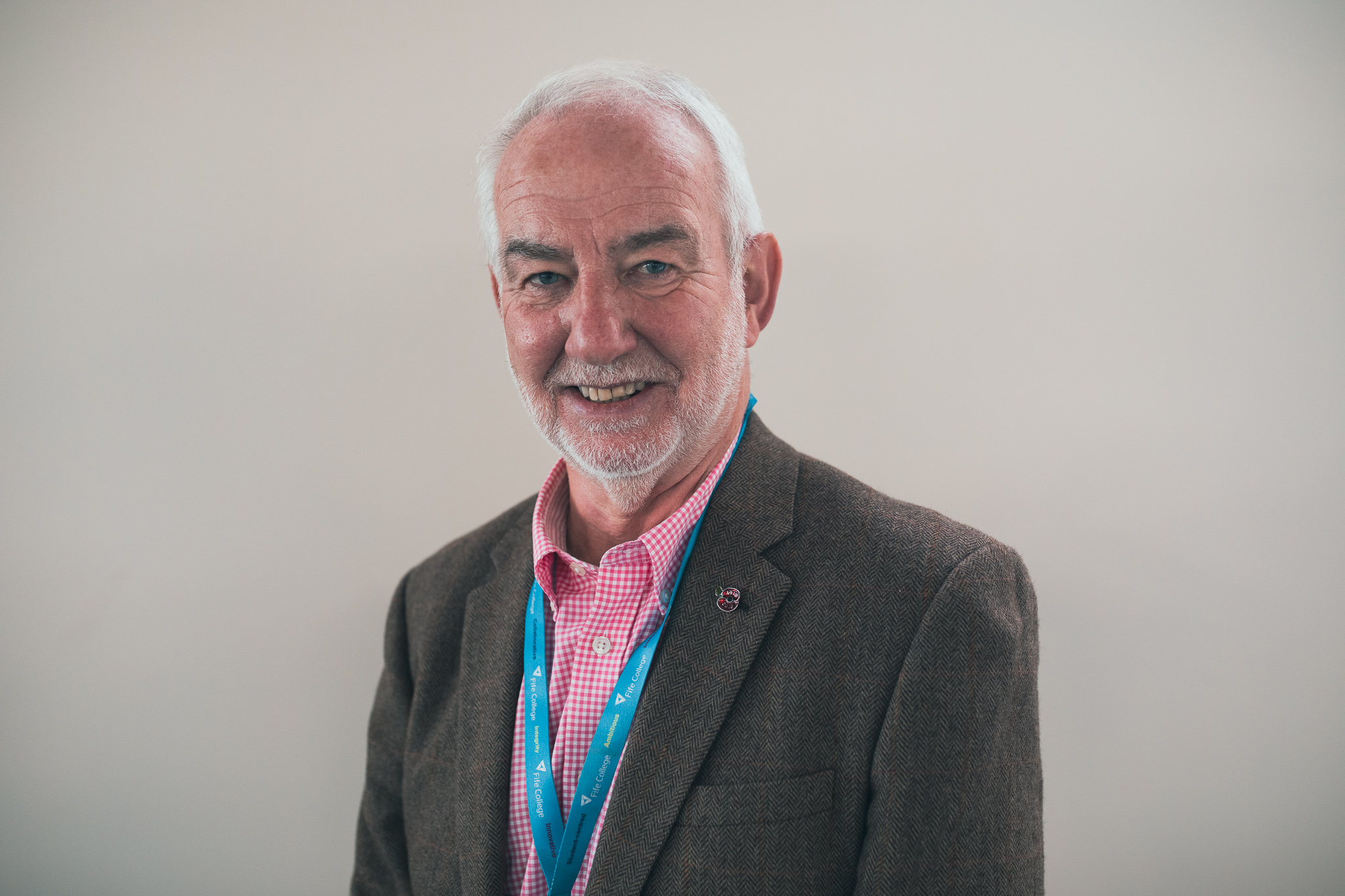
By Dr. David C Watt OBE FIoD
Chair, College Employers Scotland
I spend a great deal of time speaking with college leaders, boards and partners across Scotland. One message comes through consistently: Scotland's colleges remain ambitious for their students, staff, communities and the employers they serve.
Every day, colleges help people gain the skills they need to build careers, support businesses and contribute to economic growth. They are central to Scotland's social and economic future, as well being crucial to individual development and personal progress.
But there is a challenge we need to discuss more openly: workforce sustainability.
Recent reports from the Scottish Funding Council and Audit Scotland have reinforced what many across the sector already recognise. Colleges continue to operate in a demanding financial environment. Additional investment through the 2026/27 Scottish Budget is welcome, but the longer-term outlook remains challenging, with rising costs, continued financial pressures and limited flexibility for institutions.
This matters because colleges are, above all else, people organisations. Their ability to support learners, respond to employers' needs and contribute to national priorities depends on a skilled, motivated and sustainable workforce.
Across the sector, colleges have worked hard to protect jobs wherever possible. They continue to invest in staff development, uphold National Bargaining arrangements and remain committed to Fair Work principles. Institutions have also embraced change, pursued efficiencies and adapted to an increasingly difficult operating environment. Yet there is a reality that cannot be ignored.
Staffing accounts for around 70 per cent of expenditure across the sector. Colleges have already reduced workforce numbers significantly in efforts to balance budgets and maintain financial stability. However, there are limits to what can be achieved through workforce reductions alone. Long-term sustainability cannot be secured through short-term savings.
At the same time, expectations of colleges continue to grow. Institutions are expected to respond to changing economic needs, address skills shortages, support national priorities and provide opportunities for learners of all ages and backgrounds. They are also being encouraged to diversify their income streams and become less reliant on public funding as the wider public service reform agenda develops.
These are entirely reasonable ambitions. The question is whether the conditions exist to enable colleges to deliver them.
The Scottish Funding Council, for example, has highlighted a number of structural barriers to income diversification, while the responsible Minister believes that innovation will be key. Colleges have limited ability to borrow and invest in new opportunities, and many operate with constrained reserves. They also compete in markets where private providers often have greater organisational flexibility and lower operating costs.
Taken together, these challenges raise an important question. If we want colleges to become more financially resilient, what needs to change to support that ambition? Resilience matters, but it cannot be the whole strategy.
Greater financial sustainability will require a policy and funding environment that supports investment, innovation and longer-term planning. Multi-year funding settlements would provide greater certainty and allow institutions to make strategic decisions with confidence rather than responding to annual pressures.
We also need a broader conversation about how staffing at colleges can evolve to meet future demands, with professional development and career structures to match.
This should not be viewed as a question of reducing capability, but of strengthening it. The objective must be to ensure colleges have the capacity, skills and flexibility needed to succeed in an environment that looks very different from the one that existed even a decade ago. That means considering how roles evolve, how new skills are developed and how expertise is deployed. It also means looking at how institutions can respond effectively to changing learner expectations, labour market demands and commercial opportunities.
These are not always easy conversations, but they are essential ones.
Colleges have responsibilities not only to today's workforce, but also to the workforce they will need in the years ahead. Meeting those responsibilities demands more than effective budget management. It requires long-term thinking about organisational resilience, workforce planning and the future shape of the sector.
Nor are these questions for colleges alone. They are questions for government, funding bodies, employers, trade unions, and all those with a stake in Scotland's skills system. They are also issues that must be addressed through the College Sector of the Future workstream.
Of course, the answer is not to abandon the principles that have served the sector well. Partnership working and national bargaining remain central, and Fair Work remains vital.
However, we should also recognise that structures designed for one set of circumstances may not always be best suited to another. The world of work is changing rapidly, as are labour market needs. Expectations of education and training continue to shift, and colleges must be able to adapt alongside those changes. That is why Scotland needs a serious, constructive and evidence-led conversation about workforce sustainability in our colleges.
The sector has demonstrated resilience time and again. The challenge now is to match that resilience with a clear and sustainable plan that delivers for our learners, our workforce and our institutions.